



The Hero’s Journey is dead.
It has nothing further to teach us.
We’ve seen enough tales of brave boys ending evil empires with only a magic sword or light saber or assault rifle.
These stories have taken us down a toxic path where millions of angry people–mostly but not exclusively male–believe that the answer to injustice is furious solitary violence.
I’m not saying the Hero’s Journey is gone. On the contrary–it’s everywhere. I’m saying it’s dead. And every horror fan knows something can be dead but keep on killing people. Like zombies, these stories might be slow and stupid, but there are a lot of them, and they will fuck you up.

I’ll try to sketch some of the sins of this framework, and then turn to what I think are the alternatives and solutions not only to stale storytelling, but to the sense of helplessness and isolation so many of us feel when we look out at the troubled world and despair of ever being able to fix it.
The first crime I mentioned already. The Hero’s Journey is a template for lone wolf violence, a phenomenon that us Americans see every day in the form of mass shootings, but that’s the tip of the iceberg of the global fact of millions of rage-filled people being radicalized by YouTube videos and echo chamber social media bubbles–people who carry that righteous fury with them to the ballot box and the schoolyard and any other space where they can bully and browbeat the people who they blame for the problems in this world. People see Luke single-handedly destroy the Death Star and they think that’s how change happens.
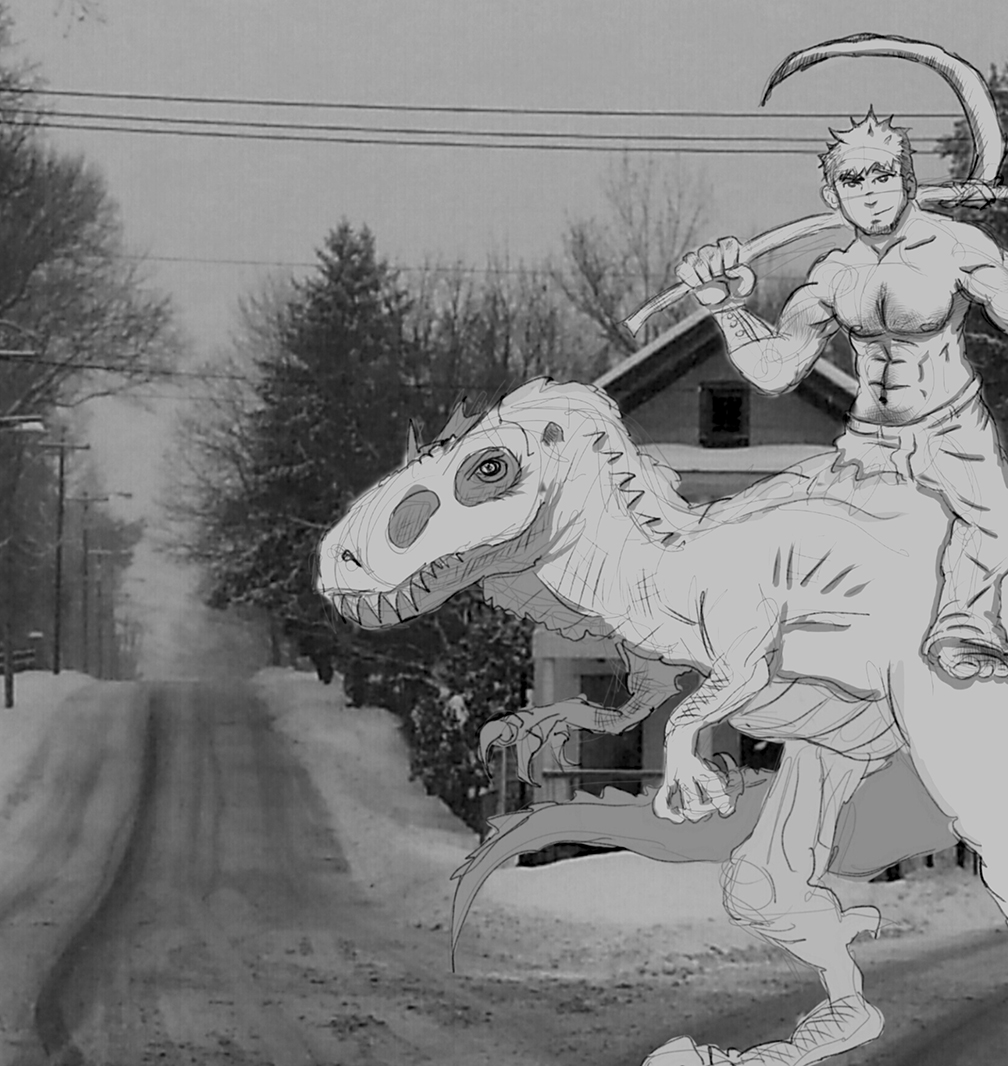
The second sin is aesthetic. It’s boring. We’ve seen it a thousand times and like children clamoring for the same bedtime story every night, we can’t get enough. The beats are ingrained in our souls: Hero refuses the call; Hero suffers a betrayal; Hero is victorious.
This is not to say I hate every iteration of the Hero’s Journey. Some of my favorite stories follow that template. My soul soars when Ripley stands before the Queen Alien, or Avatar Aang confronts Fire Lord Ozai. But Hollywood has wrung so much blood from this stone.
To close out this list of crimes–which is by no means exhaustive–the Hero’s Journey is a lie. No one ever wins a war or changes the world alone. Every plucky soldier is part of an army; every bold politician has a population behind them.
And when we think this is the only story that’s possible, we lose track of how change really happens. We let go of our greatest power.
An illuminating example is the way U.S. history teaches the story of Rosa Parks. It typically goes something like this: the South was racist. Buses were segregated. Rosa was tired; she refused to give up her seat to a white person; she got arrested; everyone was outraged. Things changed. Racism ended.
What’s left out of this Official Version? Rosa Parks wasn’t just a lone woman. She was part of a movement. An entire army of dedicated warriors was waiting for just this moment. And her brave stand wasn’t the death blow to segregation: it was the story of a long and difficult bus boycott that required thousands of people to make extraordinary sacrifices every day.
And segregation still exists. And racism is still here.
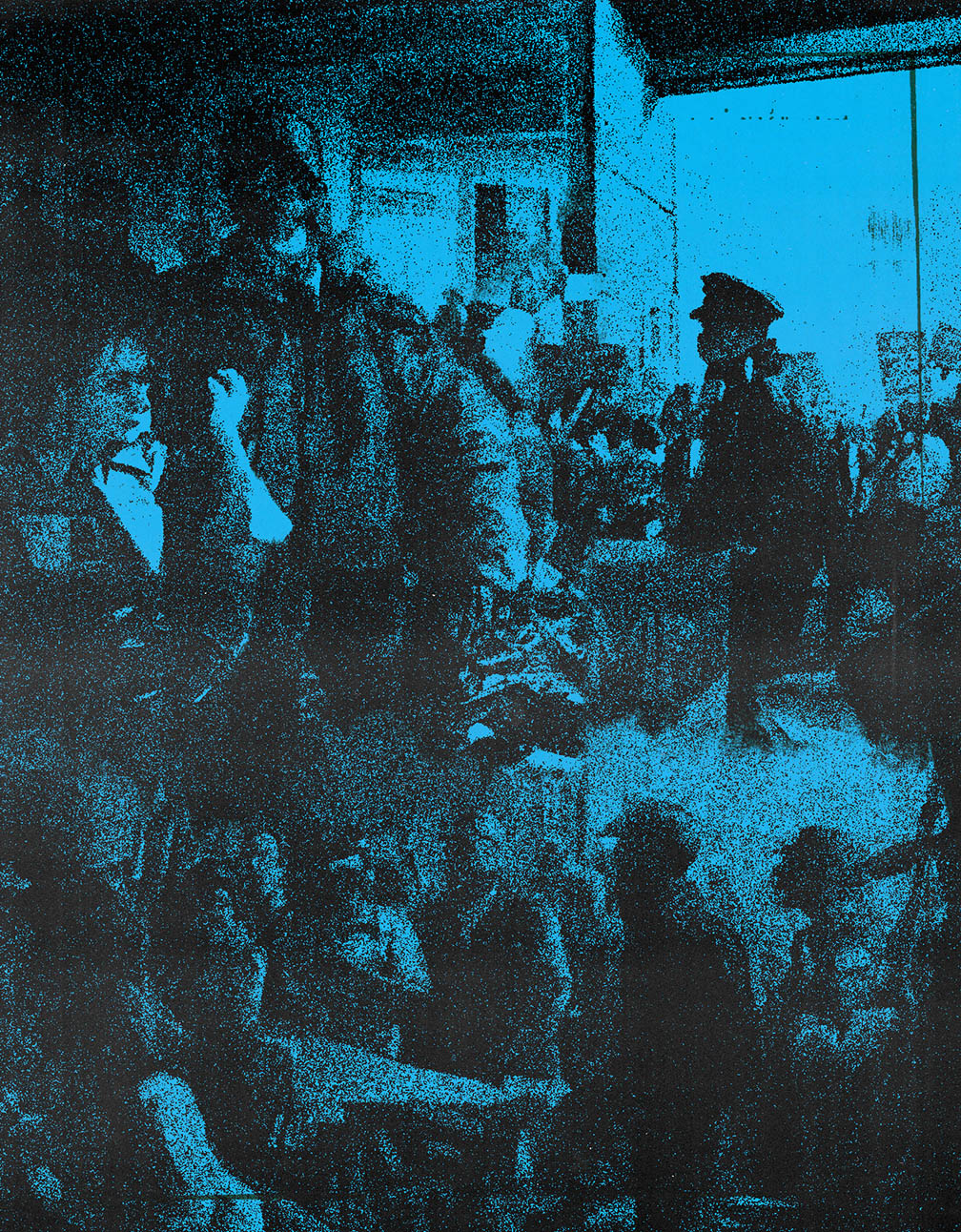
The Hero’s Journey deludes us with the promise of quick fixes and easy answers. Social change has neither. Nor, for that matter, does great storytelling. Meetings aren’t sexy, but activism and community organizing requires a lot of them. Phone banking isn’t fun, but if you want to throw a successful protest you gotta make a ton of calls. Only in the Hero’s Journey does a lone man with a sign spark massive street rallies.
But here’s the thing the Hero’s Journey hides from us, the truth it keeps us from tapping into: community is a superpower.
When we come together with others who care deeply about the same things as us, we can accomplish astonishing things.

So if you’ve been feeling angry or scared and helpless about our doomed planet or the rising tide of human hate, remember that you’re not Luke Skywalker waiting for someone to tell you you’re the Chosen One. You’re you, and you’re amazing, and you’re one of many.
Instead of lobbing Strongly Worded Tweets into the void and wondering why they don’t destroy the Death Star, get together with others who love the same things as you, and see what you add up to.
These same rules apply to storytellers, artists, and creators of all kinds.
Because while the Hero’s Journey still makes mad money for megacorporations and movie franchises, the true frontiers of fresh and exciting narratives lie beyond. When we tell stories about teams and chosen families, and scrappy messy underdogs coming together to take out the bad guys, we break new ground and offer fresh takes. And inspiration.
Some of our favorite stories already follow this alternative approach-like The Lord of the Rings, which takes Frodo’s conventional Hero’s Journey and builds around it a scaffolding of teamwork and friendship and collaboration.
Capitalism loves the Hero’s Journey. Capitalism tells us we are all the heroes of our own story, and our journey justifies every selfishness.
Capitalism wants us to feel isolated and helpless, distrustful of community, and reliant only on the market to soothe our existential aches and pains. The only empowerment that it acknowledges is the power of money, the ability to make purchases.
When we claim space for community and collaboration, for found family and mutual aid, we’re tapping into something older and stronger than the hollow religion of the free market.
Luckily, getting started in activism is super easy. There’s no entrance exam or purity test. All it requires is passion and courage, and the ability to be accountable to others. Here’s the three basic steps:

1. Figure out what issues you want to work on. There’s no shortage of problems in need of solving: what makes you maddest? Where do you feel most hopeful?
2. Look around you, to learn as much as possible about who’s doing the work on those issues.
3. Okay this is kind of two steps:
a. Reach out to those folks to see how you can help. Are there upcoming protests planned? Do they have volunteer trainings or open meetings (IRL or on Zoom) to plan and execute actions? Fundraisers? Do they need social media help? Etc.
b. If no one else in your area is doing the work already, start connecting with other folks around you who care about the same thing, and see what you can create together!
Activism is the antidote to helplessness and rage. Community is a superpower we can all tap into.
TL;DR: fuck the Hero’s Journey, let’s build something better together. It’s time for the Heroes’ Journey.
(Editor’s Note: Would you like to see this essay in zine format? It’s available here for download along with instructions on printing and assembling it into your very own zine!)
Sam J. Miller – Words & interior art
samjmiller.com
twitter.com/sentencebender
instagram.com/sam.j.miller
mastodon.lol/@sentencebender
facebook.com/sentencebender
Yorgos Cotronis – Cover art & interior art
cotronis.com
twitter.com/ravenkult
instagram.com/ravenkult/
© 2023 Sam J. Miller (art by Yorgos Cotronis)
